Deutsch
ASK-KI Workstation
Research Project
ASK-KI
Services
UX / UI
The Key Innovation
The goal of the project is to develop AI-assisted process control to support and alleviate the workload of OR and AEMP management. The AI identifies bottlenecks in real time, prioritizes instrument sets—for example, in emergencies—and provides recommendations for action that can be reviewed by those in charge.
Interoperability and Data Acquisition
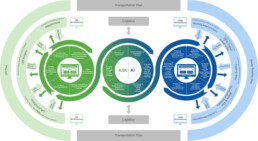
Existing systems in the OR, OR management, and AEMP are networked to collect relevant data (devices, maintenance, inventory) and make it available for process control.
Development of Workstations
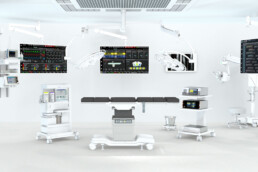
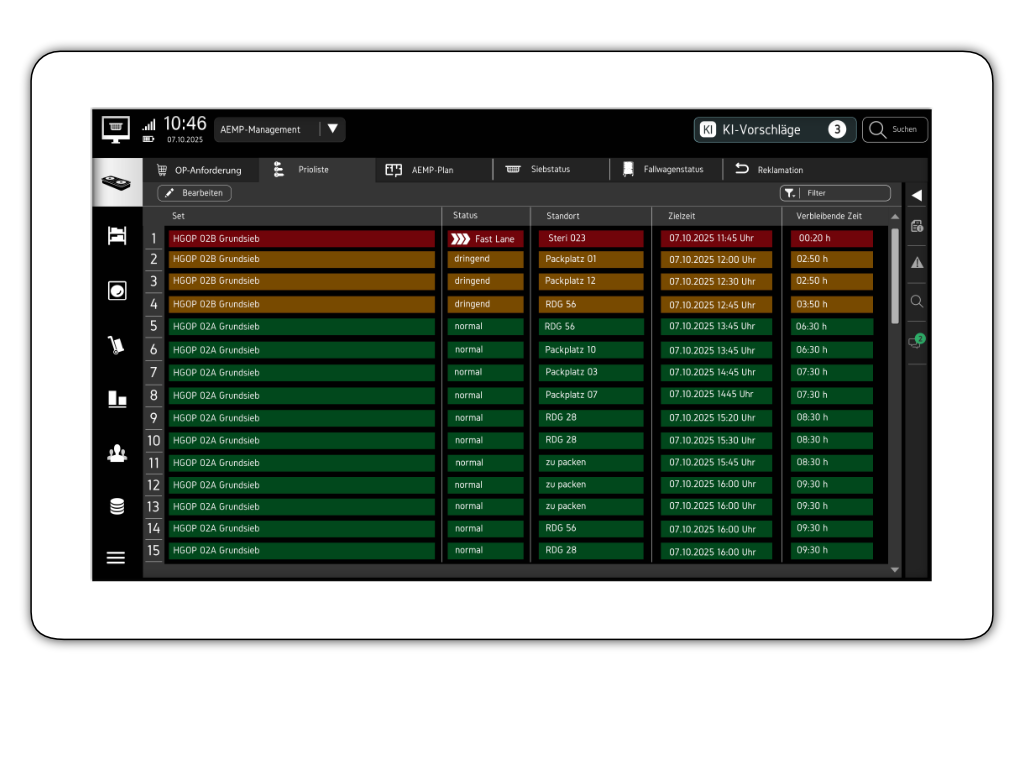
Interactive cockpits for OR management and AEMP display process data, alerts, and recommendations and are tailored to workflows.
ASK AI Assistant
The AI processes data from the OR and AEMP, generates recommendations, and learns from feedback to adapt to the hospital’s specific needs.

The AI is continuously refined by utilizing real and simulated process data and responding to feedback from the workstations to increase the efficiency and
adaptability of the process control system.



Assisted Sterile Supply Cycle with Artificial Intelligence (ASK-KI)
Background and Problem Statement
The successful performance of surgical procedures requires close interdisciplinary collaboration, particularly within the sterile supply chain, which encompasses resource planning, the performance of surgeries, and the reprocessing and provision of sterile supplies. Challenges such as unexpected complications, delays, or inadequate sterile supplies can lead to canceled surgeries. The management of this process has a significant impact on both patient care and hospital costs. Given the shortage of skilled workers and the need for resource-efficient planning, automation is becoming increasingly important. However, existing planning systems have shortcomings that result in inefficient supply chains and bottlenecks. Optimized sterile supply management and dynamic process control are therefore essential for achieving cost-effective and sustainable improvements.
State of Science and Technology
Modern supply chains rely on human-centered assistance systems and AI to enable rapid decision-making and efficient problem-solving. While concepts such as the “smart warehouse” and AI-supported optimizations are well established in industry, the healthcare sector faces challenges such as fluctuating material requirements and inflexible systems. AI could help here by optimizing resource utilization, improving demand forecasting, and increasing productivity. However, current inventory systems in sterilized supply management do not allow for real-time adjustments. Projects such as ZiMT and PriMed aim to integrate AEMP processes more closely with hospital logistics, thereby improving AI-supported planning. Nevertheless, there is still a lack of dynamic, interactive solutions that flexibly account for uncertainties in hospital operations.
Description of the Innovation
The project aims to establish AI-supported process control at the interface between the operating room, OR management, and the AEMP. The goal is to optimize the use of personnel, materials, and energy in order to counteract staff shortages and utilize resources sustainably. Through assistant cockpits, OR management and AEMP stations receive dynamically processed information, while AEMP staff can interactively feed process data back to the AI. The AI-based control system creates transparency in the instrument cycle, reduces delays, and minimizes risks for patients and staff. What makes this innovative is the open networking and utilization of existing data sources, as well as their integration into interactive AI technologies.